
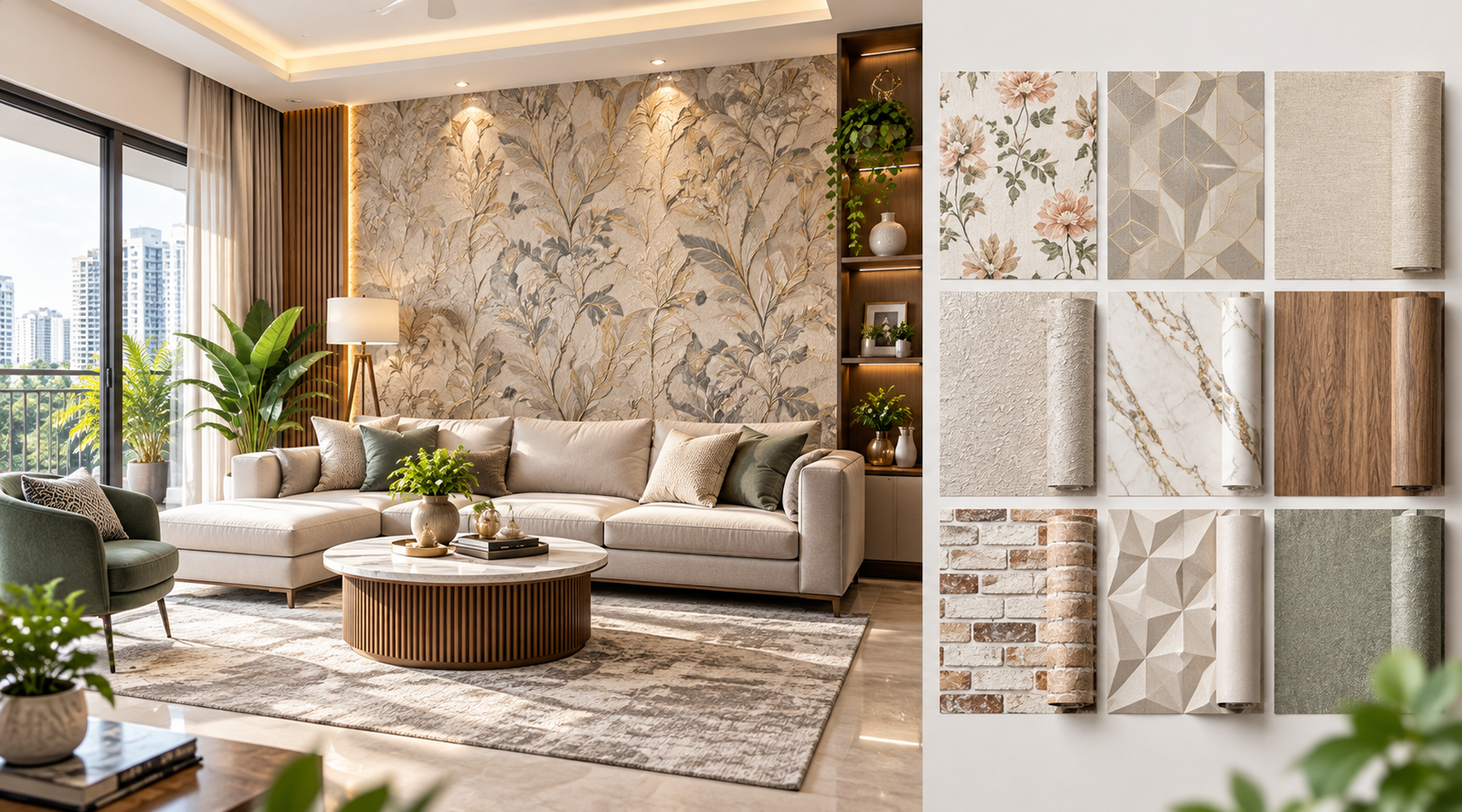

Wallpaper is one of the most versatile ways to transform the look and feel of an interior without completely changing the structure of a room. Available in countless colours, patterns, textures and materials, wallpaper can be used to create anything from a simple elegant wall to a bold feature wall.
Today, homeowners, interior designers and commercial property owners increasingly use wallpaper for living rooms, bedrooms, offices, restaurants, hotels and other interior spaces.
But what exactly is wallpaper, what types are available, and how do you choose the right one?
This complete guide explains what wallpaper is, the different types and materials, popular designs, where wallpaper can be used, its benefits and important factors to consider before buying it.
What Is Wallpaper?
Wallpaper is a decorative wall-covering material designed to be applied to interior walls. It is manufactured in rolls or sheets and can feature printed patterns, colours, textures, images or three-dimensional effects.
Unlike traditional wall paint, which is applied directly to a wall, wallpaper adds a separate decorative layer to the surface.
Depending on the material and manufacturing process, wallpaper can provide different appearances and characteristics, including:
- Smooth or textured surfaces
- Floral, geometric or abstract patterns
- Wood, marble and stone effects
- 3D designs
- Plain and minimalist finishes
- Custom printed designs
- Washable or moisture-resistant surfaces
Wallpaper can therefore be selected according to both interior style and practical requirements.
What Are the Different Types of Wallpaper?
There is no single type of wallpaper suitable for every room. Different wallpaper materials have different characteristics, appearances and maintenance requirements.
Here are some of the commonly used types.
1. Vinyl Wallpaper
Vinyl wallpaper has a vinyl surface layer that makes it relatively durable and easier to clean than many traditional wallpaper materials.
It is commonly considered for areas where walls may experience more handling or occasional cleaning.
Common uses:
- Living rooms
- Bedrooms
- Hallways
- Offices
- Commercial interiors
Its availability in many patterns and textures also makes it a popular choice for decorative applications.
2. Non-Woven Wallpaper
Non-woven wallpaper is made using a combination of natural and synthetic fibres. It is known for its breathable construction and relatively convenient installation and removal compared with some traditional wallpaper types.
It is available in a wide range of designs, making it suitable for modern residential interiors.
Common uses include:
- Bedrooms
- Living rooms
- Feature walls
- Dining areas
- Offices
3. Paper Wallpaper
Paper wallpaper is traditionally made primarily from paper-based materials and is available in many printed patterns.
It can provide a classic decorative appearance, although its suitability depends on the room conditions and the specific product.
Paper wallpaper is generally more appropriate for relatively dry areas where heavy cleaning or moisture exposure is not expected.
4. Textured Wallpaper
Textured wallpaper adds physical depth to a wall instead of relying only on printed patterns.
The texture can imitate materials such as:
- Fabric
- Wood
- Stone
- Brick
- Concrete
- Natural surfaces
- Decorative patterns
Textured wallpaper can be particularly useful when you want a wall to become a noticeable design element.
5. 3D Wallpaper
3D wallpaper is designed to create the visual impression of depth and dimension.
Some designs use printed visual effects, while others incorporate actual surface texture to create a more three-dimensional appearance.
Popular 3D-inspired designs include:
- Geometric patterns
- Brick effects
- Stone effects
- Abstract designs
- Modern architectural patterns
- Decorative panels
3D wallpaper can work particularly well as a feature wall in living rooms, bedrooms and entertainment areas.
6. Fabric or Fabric-Look Wallpaper
Fabric wallpaper and fabric-look wall coverings are designed to provide a soft, sophisticated appearance.
They can create an elegant atmosphere and are often considered for interiors where appearance and texture are important.
Depending on the material, however, maintenance requirements can differ significantly, so the manufacturer’s care instructions should always be checked.
What Materials Are Used to Make Wallpaper?
Wallpaper can be manufactured using different materials or combinations of materials.
Some commonly encountered materials include:
- Paper
- Vinyl
- Non-woven fibres
- Textile or fabric materials
- PVC-based surface layers
- Natural fibres
- Synthetic fibres
The material affects important characteristics such as:
Appearance:
Different materials produce different textures and finishes.
Durability:
Some materials are better suited to frequent handling or cleaning.
Maintenance:
Washable and wipeable surfaces can be easier to maintain.
Installation:
The installation process can vary depending on the wallpaper construction.
Room suitability:
Moisture, ventilation, sunlight and expected usage should be considered before selecting a material.
What Are the Most Popular Wallpaper Designs?
Wallpaper is available in an enormous variety of designs. The right choice depends on the room, furniture, lighting and overall interior style.
Floral Wallpaper
Floral patterns can add softness and a natural feel to interiors.
They can range from subtle botanical patterns to large, dramatic floral prints.
Geometric Wallpaper
Geometric designs use shapes, lines and repeating patterns to create a contemporary appearance.
They are often used in modern homes, offices and feature walls.
Abstract Wallpaper
Abstract wallpaper allows greater creative freedom and can become the visual focus of an interior.
It is particularly useful when you want something different from conventional patterns.
Brick and Stone Effect Wallpaper
These designs recreate the appearance of exposed brick, stone or similar surfaces.
They can create an industrial or natural aesthetic without requiring actual masonry work.
Marble Effect Wallpaper
Marble-inspired wallpaper can provide a luxurious appearance and is available in different colours and vein patterns.
Plain and Minimalist Wallpaper
Wallpaper does not always have to contain a bold pattern.
Plain, subtle and lightly textured wallpaper can add depth and character while maintaining a clean interior style.
Children’s Wallpaper
Children’s rooms can use wallpapers featuring:
- Animals
- Space themes
- Cars
- Nature
- Cartoon-inspired patterns
- Educational themes
- Soft geometric designs
The design should be selected according to the child’s age and the overall room environment.
Where Can Wallpaper Be Used?
Wallpaper is not limited to living rooms. It can be used in many residential and commercial spaces.
Living Room
The living room is one of the most common areas for wallpaper.
A feature wall behind a television unit, sofa or main seating area can create a strong visual focal point.
For smaller living rooms, lighter colours and less visually crowded patterns can help maintain an open appearance.
Bedroom
Wallpaper can create a comfortable and personalised bedroom environment.
Common applications include the wall behind the bed or a single accent wall.
Soft colours, nature-inspired designs and subtle textures are popular choices for bedrooms.
Dining Room
Wallpaper can add personality to a dining area and complement the dining furniture and lighting.
Elegant textures, geometric designs and subtle patterns can work well depending on the interior style.
Children’s Room
Wallpaper can be used to create a themed environment for children.
When choosing wallpaper for children’s spaces, consider durability, cleaning requirements and whether the design will remain suitable as the child grows.
Office
Wallpaper can also be used in offices, meeting rooms, reception areas and workspaces.
Minimalist patterns, textured finishes and brand-appropriate colours can help create a professional environment.
Restaurants, Hotels and Commercial Spaces
Commercial interiors often use wallpaper to create a distinctive atmosphere.
It can be used in:
- Hotel rooms
- Restaurant interiors
- Cafés
- Reception areas
- Retail stores
- Offices
- Showrooms
For commercial applications, durability and maintenance should be considered alongside appearance.
What Are the Benefits of Wallpaper?
Wallpaper offers several advantages compared with using paint alone.
1. Wide Variety of Designs
Wallpaper provides access to patterns, textures and visual effects that can be difficult to reproduce with conventional paint.
2. Creates an Instant Visual Change
Changing a wall covering can significantly alter the appearance of a room without replacing the furniture or carrying out major structural work.
3. Suitable for Feature Walls
Wallpaper can be used on one wall rather than all four walls, allowing you to create a focal point without overwhelming the room.
4. Adds Texture and Depth
Textured and 3D wallpapers can introduce dimension and visual interest to otherwise plain walls.
5. Works With Different Interior Styles
From minimalist and contemporary interiors to classic and luxurious designs, wallpaper is available in styles suitable for different décor preferences.
6. Can Help Hide Minor Surface Imperfections
Certain textured wallpapers can visually reduce the appearance of minor wall imperfections. However, wallpaper is not a substitute for proper wall preparation, and major cracks, dampness or structural problems should be addressed before installation.
How Do You Choose the Right Wallpaper?
Choosing wallpaper should involve more than simply selecting a pattern you like.
Consider these factors before making a purchase.
1. Room Type
The wallpaper suitable for a bedroom may not be the best choice for a high-traffic hallway or commercial space.
2. Wall Condition
Walls should be clean, dry and appropriately prepared before wallpaper installation.
3. Room Size
Large patterns can make a small room feel visually busy, while carefully selected lighter designs can create a more open appearance.
4. Lighting
Natural and artificial lighting can change how wallpaper colours and textures appear.
Always consider how the wallpaper looks under the room’s actual lighting conditions.
5. Furniture and Décor
Wallpaper should complement existing furniture, flooring, curtains and other major elements rather than competing with everything in the room.
6. Maintenance Requirements
If the wall is likely to require regular cleaning, consider a wallpaper designed for the appropriate level of cleaning.
7. Climate and Moisture
For homes in humid environments such as Mumbai, moisture and ventilation should be considered when selecting wallpaper.
Avoid installing standard wallpaper over damp walls. Any underlying leakage or moisture problem should be resolved before installation.
Is Wallpaper Suitable for Mumbai Homes?
Yes, wallpaper can be used in Mumbai homes, but the choice of material and installation conditions are important.
Mumbai’s humid and coastal climate means moisture management deserves particular attention.
Before installing wallpaper:
- Make sure the wall is completely dry.
- Check for leakage or seepage.
- Repair dampness before installation.
- Choose a suitable wallpaper material for the room.
- Follow the manufacturer’s installation and maintenance recommendations.
- Ensure adequate ventilation where appropriate.
For kitchens, bathrooms and other areas exposed to significant moisture, product suitability should be checked carefully rather than assuming that every wallpaper is moisture-resistant.
How Long Does Wallpaper Last?
The lifespan of wallpaper varies depending on several factors, including:
- Wallpaper material
- Product quality
- Installation quality
- Wall preparation
- Sunlight exposure
- Humidity and moisture
- Cleaning and maintenance
- Room usage
There is therefore no single lifespan that applies to every wallpaper product.
Proper wall preparation and professional installation can help the wallpaper perform as intended, while moisture, poor installation or unsuitable room conditions can shorten its useful life.
Is Wallpaper Easy to Clean?
It depends on the wallpaper material and its surface finish.
Some wallpapers are designed to be washable or wipeable, while others may require much gentler cleaning.
Before cleaning wallpaper:
- Check the manufacturer’s cleaning instructions.
- Use the recommended cleaning method.
- Avoid excessive water unless the product is specifically designed for it.
- Do not use harsh chemicals without confirming that they are suitable.
- Test any cleaning method carefully when appropriate.
Can Wallpaper Be Used on Every Wall?
Not necessarily.
Wallpaper generally performs best on walls that are:
- Smooth
- Clean
- Dry
- Stable
- Properly prepared
Walls with significant dampness, active leakage, major cracks, loose plaster or severe surface irregularities may require repair before wallpaper installation.
Proper preparation is one of the most important factors in achieving a clean and long-lasting finish.
Wallpaper vs Paint: Which One Is Different?
Wallpaper and paint serve the same broad purpose—decorating and protecting interior wall surfaces—but they offer different design possibilities and practical characteristics.
Wallpaper:
- Offers extensive patterns and textures
- Can create 3D and material-inspired effects
- Works well for feature walls
- Requires appropriate installation
- Comes in many specialised materials
Paint:
- Offers simple colour changes
- Can be easier to refresh in some situations
- Provides a wide range of colour choices
- Generally requires fewer material-specific considerations
The appropriate choice depends on the room, desired appearance, budget, maintenance requirements and condition of the walls.
Frequently Asked Questions About Wallpaper
What is wallpaper used for?
Wallpaper is primarily used as a decorative interior wall covering. It can add colour, patterns, texture and visual depth to residential and commercial spaces.
Which type of wallpaper is best?
There is no single best wallpaper for every situation. The appropriate type depends on the room, wall condition, moisture exposure, desired design, maintenance requirements and budget.
Is 3D wallpaper actually three-dimensional?
Some 3D wallpapers use printed optical effects to create the appearance of depth, while others have physical textures that create actual surface dimension. The exact effect depends on the product.
Is wallpaper better than paint?
Wallpaper and paint have different advantages. Wallpaper provides more patterns, textures and specialised visual effects, while paint provides a straightforward way to change wall colour. The choice depends on the specific project.
Can wallpaper be used in Mumbai?
Yes. Wallpaper can be used in Mumbai homes and commercial spaces, provided the wall is dry and properly prepared and the selected product is appropriate for the room’s environmental conditions.
Can wallpaper hide wall imperfections?
Some textured wallpapers can help disguise minor visual imperfections, but significant cracks, dampness, leakage or structural problems should be repaired before wallpaper installation.
How do I select wallpaper for a small room?
Consider lighter colours, subtle patterns and designs that do not visually overcrowd the room. The effect of lighting, furniture and wall placement should also be considered.
Final Thoughts
Wallpaper is more than simply a decorative alternative to paint. With different materials, textures, colours, patterns and finishes, it can be used to create completely different moods and styles in a space.
From a subtle textured bedroom wall to a dramatic 3D living-room feature wall, the right wallpaper can transform an interior while allowing homeowners and designers to express their individual style.
The key is to choose wallpaper based on the room, wall condition, climate, maintenance requirements, interior design and intended use rather than selecting a design based only on appearance.
If you are exploring wallpaper options in Mumbai, visiting a wallpaper showroom can also help you compare actual colours, textures and finishes before making a final decision.
Google Business Profile: Decor4u
Call Now: +91 98921 71786


